
How Does Nutrition Impact Infant and Toddler Development?
What your little one eats plays a vital role in their overall development—especially in shaping their physical, cognitive, and emotional growth. As adults, we know that when we don’t fuel...




Have a look at the decks parents reach for most, sorted by what your little one is working on right now.
Shop the card decksFree shipping over $49. Pick a free gift at $75.
Parent favorites

Curious Baby™ Activity Cards
Turn everyday moments into brain-building play, with an activity for every stage of the first year.
$34.99

Curious Toddler™️ Activity Cards
Channel toddler energy into real skills, with quick activities that build language, balance and confidence.
$34.99

Curious Baby Speech & Language Cards
Help first words come sooner, with therapist-backed prompts you can use during diaper changes and car rides.
$34.99

Curious Baby Gross Motor Development Cards
Raise a confident mover, with rolling, crawling and climbing milestones broken into small daily wins.
$49.99

Curious Baby Big Emotions Cards
Give big feelings a name, with calm scripts that turn meltdowns into moments they learn from.
$44.99

Curious Baby Activity Card ** Expansion Pack**
Keep the play fresh, with a second wave of activities for babies who have outgrown the originals.
$32.99

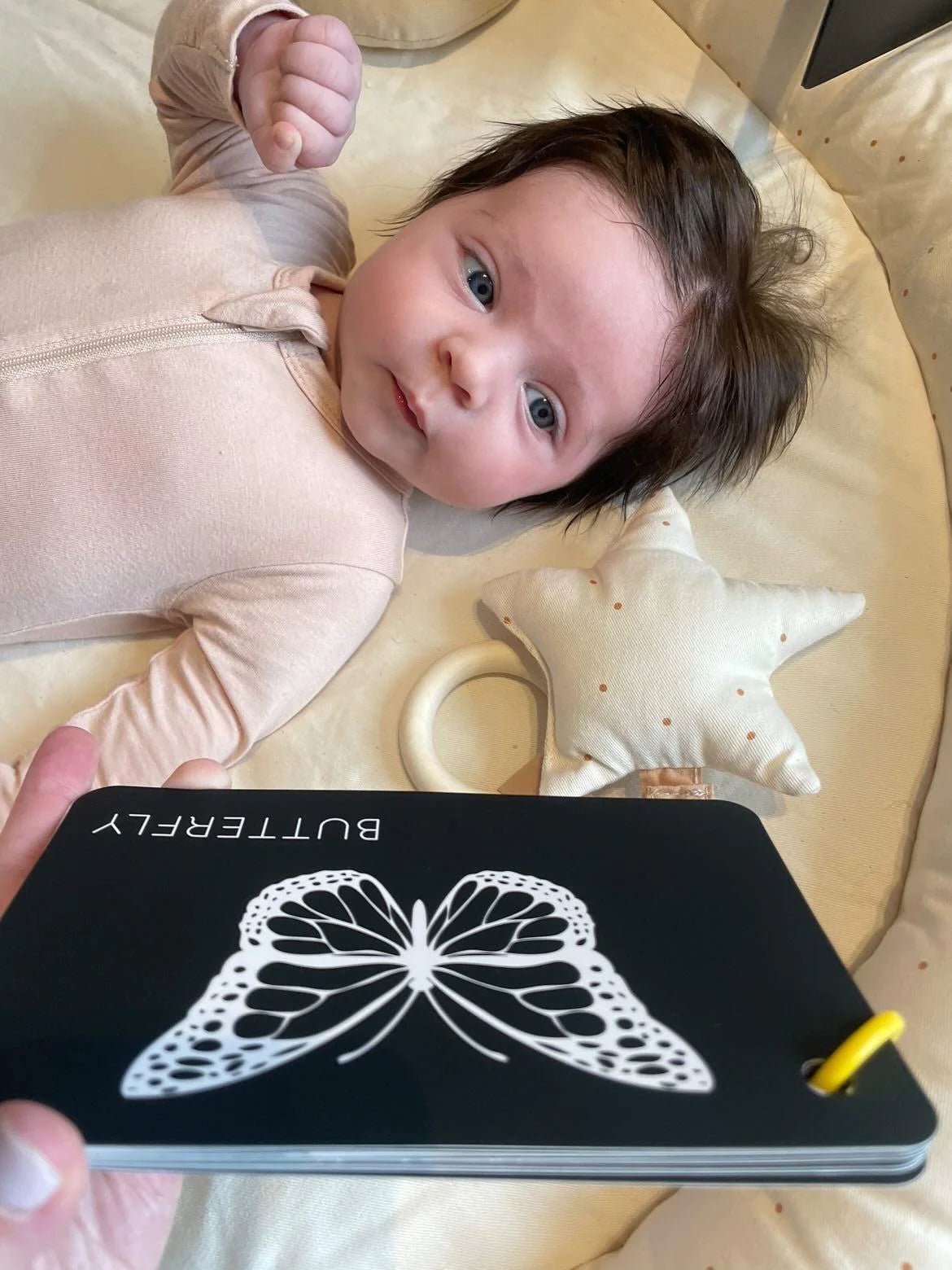
High-Contrast Vision Development Cards
Give a newborn something to focus on, with bold black-and-white images that strengthen early vision.
$17.99


Free 30 Days Returns
Free shipping on orders over $49
Recommended Age: 0-5 years
Delivery on or before September 8th, 2026
BRAND NEW
Our newest card sets are here! We only have limited quantities left this month, so grab yours before they're gone.
The parenting cards you'll actually reach for at 7pm.
Your kid melted down again. You're tired. You don't need a 300-page parenting book or an hour-long course right now. You need one card. The right one. With the actual words to say.
Big Emotions Cards are exactly that. A calm, developmentally grounded deck that fits in a kitchen drawer and shows up when you need it. Built by pediatricians, child therapists, and mental health specialists. Written for the hard parenting moments, not the highlight reel.
Two decks. Birth through kindergarten
The Baby Deck (0–24 months). 47 cards across the first two years. From newborn witching hour to early toddler tantrums. Helps you build the foundation before you need it, and gives you something to hold onto when you do.
The Big Kid Deck (3–5 years). 60 cards for the preschool years. The "I hate you" moment. The kindergarten goodbye. The hard questions about death, fairness, and bodies. Real scripts, real situations, real support when you need it.
Buy them separately. Or get the bundle and have the full birth-to-kindergarten sets all on your shelf.
Two kinds of cards in every deck.
Practice cards are for calm moments. The ten minutes you have before bed, or on the floor with your coffee, or in the carpool lane. They build the skills your child needs before they need them. When your little one's brain is listening and absorbing new ideas and concepts.
In-the-moment cards are for the hard parts. The screaming, the hitting, the public meltdown, the bedtime stall. Read them with one hand on your kid. They're short on purpose. They help move you through the hard moments while staying calm.
What's inside
Why we made this
Most parenting resources treat your kid's hardest behaviors as problems to fix. We don't. A toddler's meltdown is not a character flaw or a parenting failure. It's a developing brain stage with no other vocabulary. Your job is not to make the meltdown stop. Your job is to be the calm, consistent person in the room while it passes.
That's what these cards help you do.
Curious Baby Activity Cards:
Toy Shop:
Curious Baby Activity Cards are intended to be used as a general educational and inspirational guide for caregivers and is not a substitute for medical advice. Every child develops at their own pace. If you have any concerns about your child's development, please reach out to your pediatrician or a licensed pediatric therapist. Read more on safety.
We'll leave it to our customers to let you know how easy life can be with our bestselling activity cards. Give yourself a break and let Curious Baby guide your awake time with baby!
All of our activity books are are intentionally designed to use the items that you already have at home. We want to build confident parents by sharing education, not more "stuff" for your home.
Our cards are printed on heavy duty large format cardstock and intended and be passed down from one family to the next.
@curiousbabyplaytime
Join us on TikTok and Instagram @curiousbabyplaytime
What your little one eats plays a vital role in their overall development—especially in shaping their physical, cognitive, and emotional growth. As adults, we know that when we don’t fuel...

Best Toys for Infants Right after birth, babies are known for spending more of their hours snoozing the day away. While your little one may be asleep a lot of...

The journey from infancy to toddlerhood is one of the most exciting and transformative periods in a person's life. During these years, a child goes from being a fully dependent...